JOIN US FOR BANKERSONLINE'S
LENDING
COMPLIANCE
TRIAGE
NOVEMBER 4-5, 2026 | VIRTUAL CONFERENCE
Attend to earn 12 CRCM and 8 CERP continuing education credits
Where Compliance Officers take their Lending Compliance Programs to the next level
The BankersOnline Lending Compliance Triage returns for its 18th year this November — sharper, more practical, and built around what’s actually on your plate.
This isn’t your typical compliance conference. It’s a hands-on workshop packed with action-oriented sessions built to give your team:
- Practical tools for adverse action notices, TRID, flood insurance, and other high-stakes lending disclosures
- Better data across HMDA, fair lending (including 1071), and CRA — plus the latest on model risk and governance
- A direct line to regulators, with insights straight from a former senior federal policy advisor
- Coverage across the full loan lifecycle, from risk assessments and military lending to mortgage servicing, collections, and foreclosures
We’re proud to deliver information-packed sessions from nationally recognized speakers, CRCM continuing education credit, and a live panel Q&A wrap-up each day — everything your team needs to manage and improve your institution’s lending compliance program.
Information Packed Sessions | Nationally Recognized Speakers | CE Credits | ZERO Travel
Paid registrations include on-demand access to all conference content following the event.
CAN'T MISS INDUSTRY INSIGHTS
TOP REASONS TO ATTEND
Navigate Evolving Regulations with Confidence
- Consumer Lending Hot Topics: Get a fast, practical read on the trends and rule changes reshaping consumer lending right now
- Fair Lending, HMDA & CRA Learn how to build stronger, more defensible data across HMDA, fair lending (including 1071), and CRA.
- TRID Revisited Tackle the TRID pitfalls that still trip up even experienced teams.
Strengthen Risk Management & Examiner Readiness
- Adverse Action Essentials: Make sure your notices hold up to examiner and legal scrutiny.
- Risk Assessments Without the Headache: Build lending risk assessments that are thorough, defensible, and actually usable.
- Flood Rules & Requirements: Avoid the flood insurance violations that catch even seasoned compliance teams off guard.
Harness Innovation & Compliance Synergy
- Regulatory Insights & Priorities: Hear directly from a former senior federal policy advisor on where regulators are headed next.
- Model Risk & Governance: Strengthen oversight as AI and predictive models take on a bigger role in lending decisions.
- Servicing, Collections & Military Lending: Master SCRA/MLA distinctions, avoid mortgage servicing landmines, and navigate collections and foreclosure requirements with confidence.
Conference Agenda
This year's conference is approved for 12 CRCM and 8 CERP continuing education credits.
DAY ONE:
NOVEMBER 4, 2026
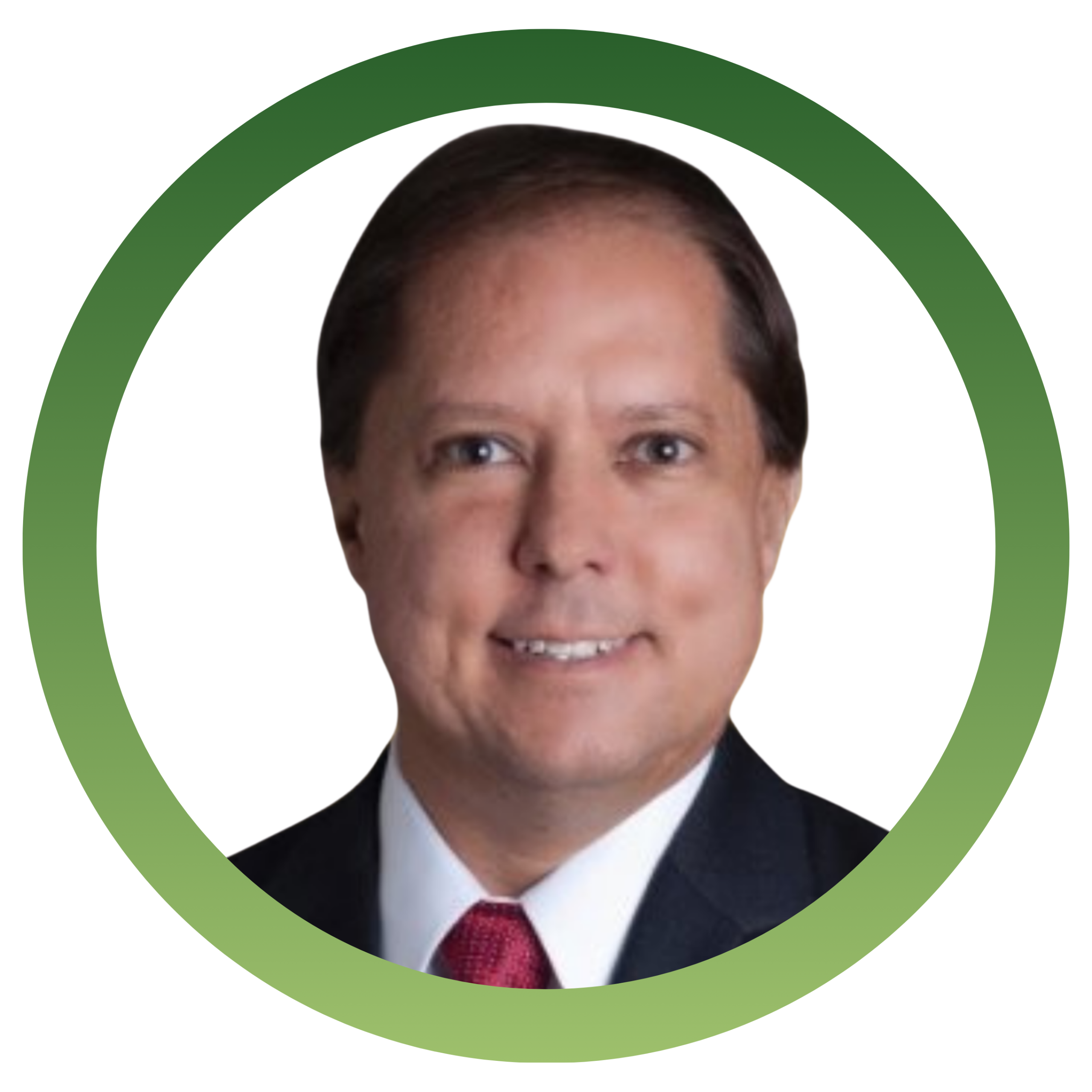 Consumer Lending Trends & Hot Topics
10:00 - 10:50 am ET | Carl Pry
Consumer Lending Trends & Hot Topics 10:00 - 10:50 am ET | Carl Pry
Consumer lending doesn’t sit still, and neither can your compliance program. Between shifting consumer expectations, fast-moving technology, economic uncertainty, and regulators paying closer attention than ever, keeping up can feel like a full-time job on top of your full-time job.
Carl Pry opens this year’s Lending Compliance Triage with a wide-angle look at where consumer lending stands today and where it’s headed. You’ll get a practical rundown of the recent regulatory developments and examination priorities shaping the landscape, along with an honest look at the operational and compliance challenges institutions are wrestling with right now. Carl will also cover how artificial intelligence and other emerging technologies are changing the way lending decisions get made, along with the new risks that come with them.
You’ll leave with real strategies for managing risk without losing sight of what matters most: a positive, trustworthy experience for your customers.
Join us to learn more about:
• Which issues regulators are emphasizing during examinations right now.
• How AI and other emerging technologies are changing consumer lending, and the risks that come with them.
• Where the operational and compliance trouble spots tend to show up in consumer lending programs.
• Practical strategies for managing risk without sacrificing the customer experience.
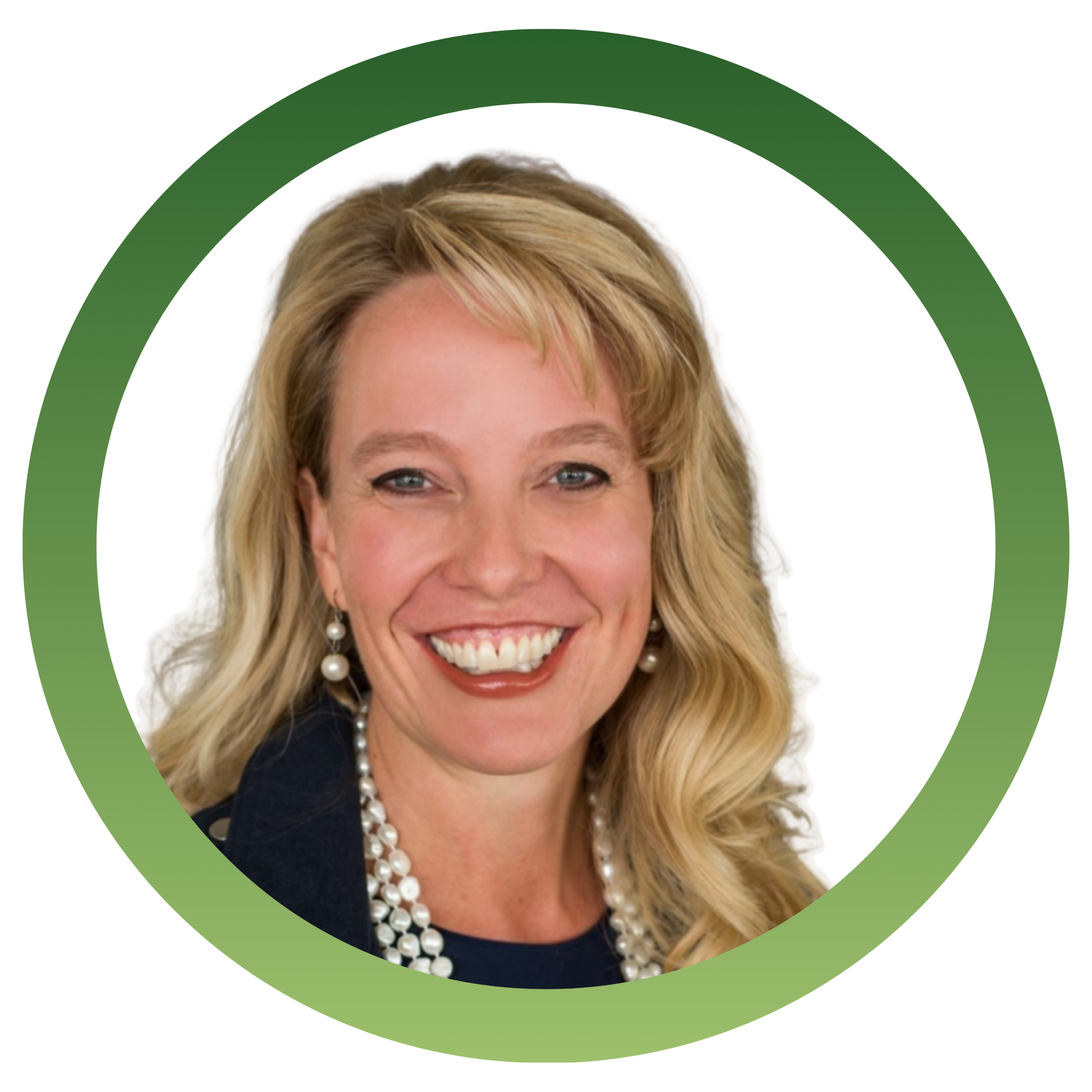 Adverse Action Notice Essentials
11:00 - 11:50 am ET | Rebekah Leonard
Adverse Action Notice Essentials 11:00 - 11:50 am ET | Rebekah Leonard
Few areas of lending compliance trip up institutions as often, or as expensively, as adverse action notices. The concept sounds simple enough: tell an applicant why you said no. But between Regulation B and the Fair Credit Reporting Act, the rules around timing, content, and documentation get complicated quickly, and small missteps can turn into significant examination findings or litigation exposure. Rebekah Leonard walks you through the essentials, starting with a clear-eyed review of what counts as adverse action and which requirements apply in which situations.
You’ll get a straight answer on timing and notification obligations, a look at the errors institutions make most often, and practical guidance on the documentation examiners expect to see. Rebekah will also help you take a fresh look at your own policies and procedures, so you leave with concrete ways to tighten controls and reduce your institution’s regulatory risk, not just a better understanding of the rule.
You’ll learn:
- When an adverse action notice is legally required, and when it isn’t.
- How to determine which regulation, or regulations, applies to your situation.
- Common errors that turn a routine denial into a costly compliance headache.
- Practical ways to reduce your institution’s exposure to examination findings and fair lending risk.
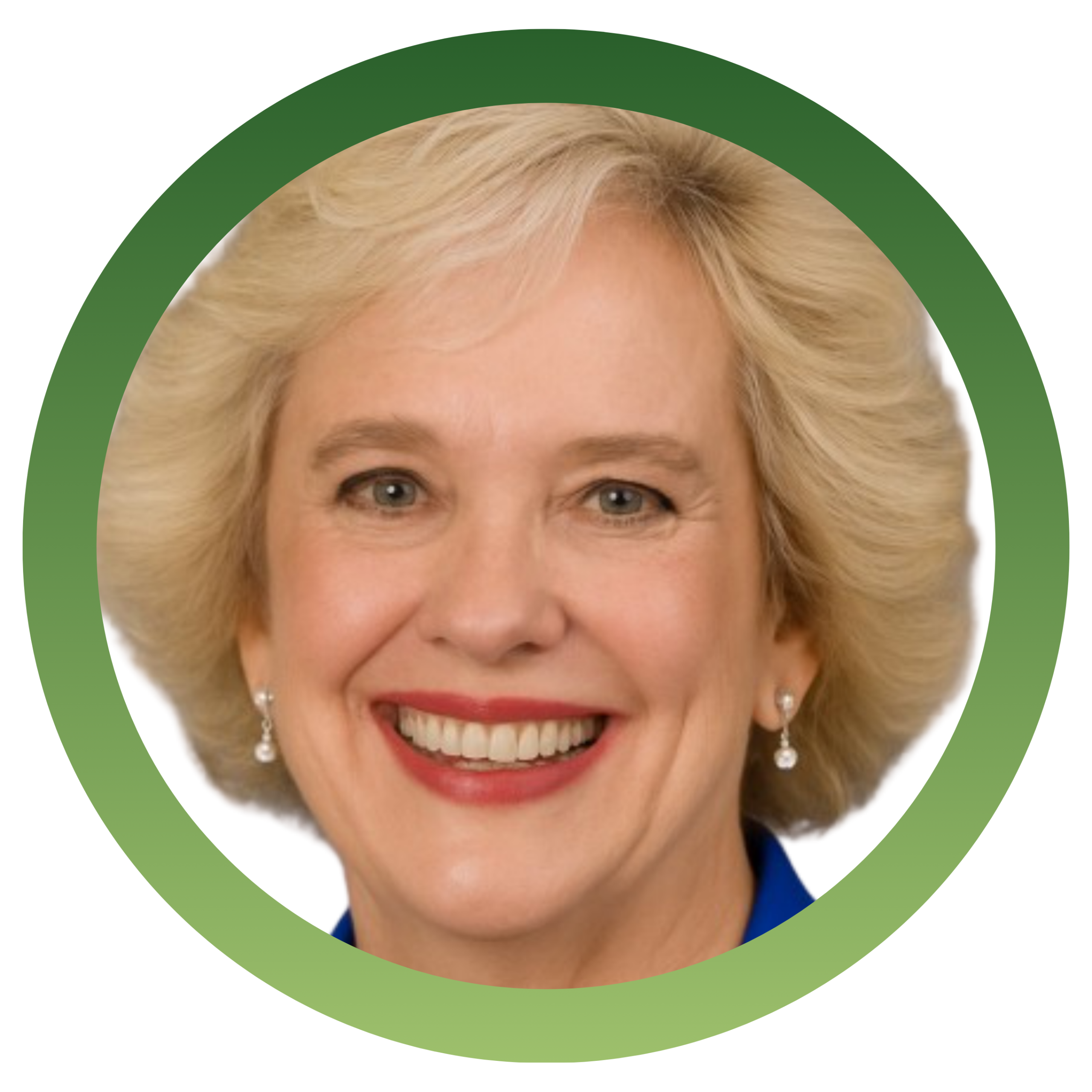 Building Better Data Across HMDA, Fair Lending (including 1071) and CRA
12:00 - 12:50 pm ET | Lynn Woosley
Building Better Data Across HMDA, Fair Lending (including 1071) and CRA 12:00 - 12:50 pm ET | Lynn Woosley
Good compliance decisions start with good data, and today’s institutions are managing more of it than ever. HMDA, fair lending reviews, Section 1071, and CRA analyses all rely on overlapping, and sometimes duplicated, data pulled from different systems, different teams, and different processes. When that data is inconsistent or unreliable, everything downstream suffers: your reporting, your risk identification, and your ability to satisfy regulators who are paying closer attention to data integrity than ever.
In this session, Lynn Woosley explains why strong data governance is now foundational rather than optional. You’ll examine the data quality challenges that show up again and again across these programs, explore real opportunities to integrate information rather than recreating it in silos, and walk through practical ways to improve the accuracy and consistency of what you report. Lynn will also help you strengthen your monitoring and analysis so your data starts working for you, flagging risks early instead of surprising you at exam time.
You’ll learn:
· How to improve the integrity and reliability of the data your compliance program depends on.
· Ways to reduce manual processes and the errors that come with them.
· Best practices for data governance and oversight that regulators want to see.
· How to put your data to work identifying emerging risks before they become findings.
Lunch Break
12:50 - 2:00 pm ET
12:50 - 2:00 pm ET
Enjoy your break! The conference resumes at 2:00 pm.
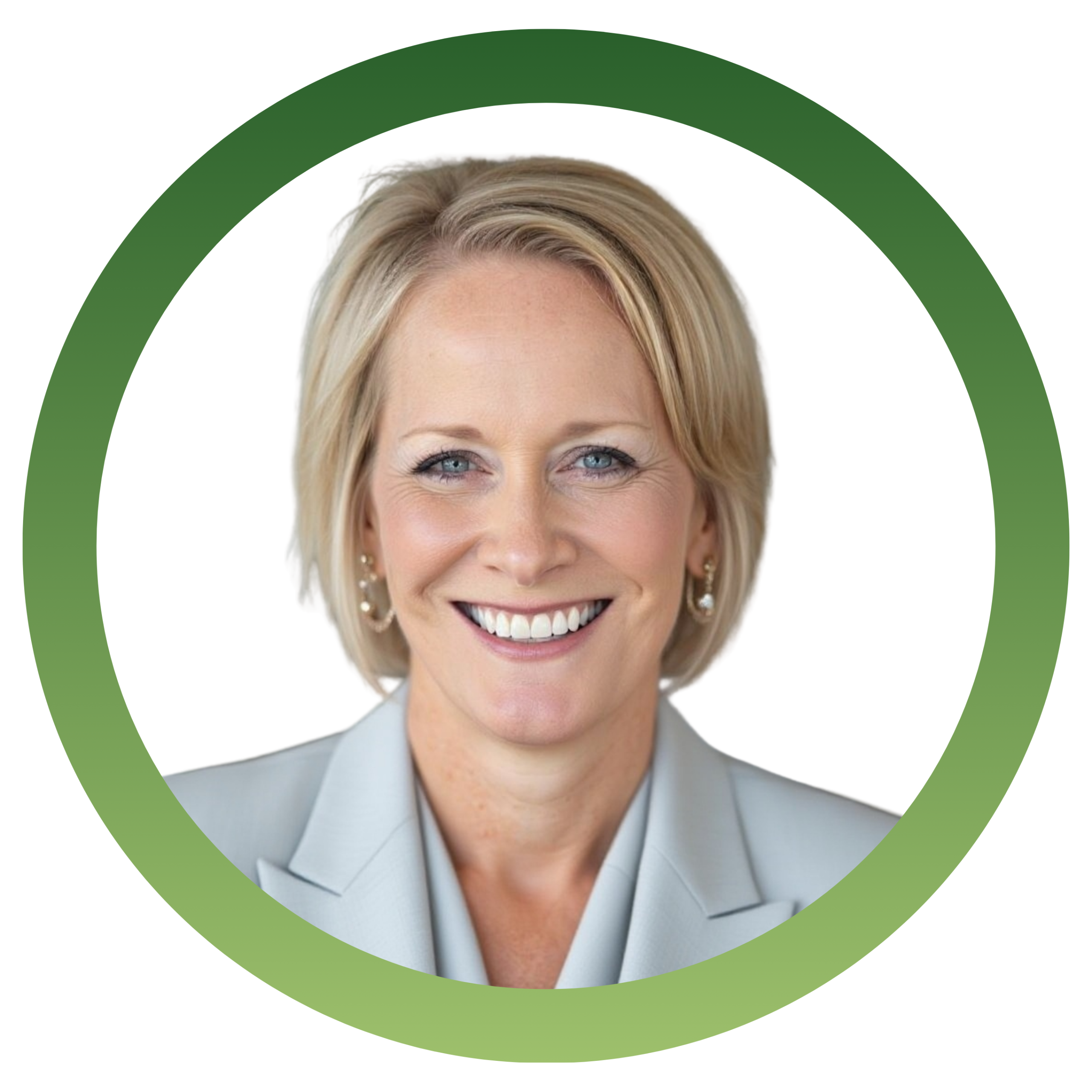 TRID Revisited
2:00 2:50 pm ET | Kimberly Boatwright & Jocelyn Lubach
TRID Revisited 2:00 2:50 pm ET | Kimberly Boatwright & Jocelyn Lubach
More than a decade after implementation, TRID can still challenge even experienced lenders, compliance officers, and operations teams. Some of that is the rule’s own complexity; some of it is that the mortgage business, and the technology behind it, has changed considerably since TRID was written.
In this interactive panel, Kimberly Boatwright and Jocelyn, with Barbara moderating, take a fresh look at what TRID set out to do, what the industry has learned along the way, and where the rule may need to catch up with how lending actually works today. Expect a candid conversation about the examination findings that keep showing up year after year, and about the day-to-day operational challenges, including timing requirements, tolerance violations, changed circumstances, and construction lending, that continue to persist.
This session blends regulatory analysis with real-world experience, and the panel welcomes audience questions about what’s tripping up your shop specifically. You’ll leave with practical guidance you can put to work as soon as you’re back at your desk.
We’ll go over:
- Which TRID requirements are still catching financial institutions off guard, a decade in.
- How top lenders are handling complex scenarios and recurring pain points.
- Best practices for managing timing requirements, tolerances, and changed circumstances with confidence.
- How construction lending and other specialized products add extra layers to your TRID compliance.
- Practical lessons learned from years of implementation and examination experience.
Flood Rules & Requirements
3:00 - 3:50 pm ET | Carl Pry
Flood Rules & Requirements 3:00 - 3:50 pm ET | Carl Pry
Flood insurance compliance has a reputation for being deceptively tricky, and the regulatory penalties for getting it wrong are significant. Determination requirements, force-placement procedures, escrow obligations, and a steady stream of regulatory updates all have to work together seamlessly, and a single missed step can create real risk for your institution. Carl Pry covers what you need to know: the core flood insurance requirements every lender should understand thoroughly, how force-placement and escrow rules play out in practice, and where the operational challenges tend to arise.
You’ll get a clear picture of what examiners expect to see when they review your flood compliance program, plus practical methods for tightening your internal controls before your next exam, not after it flags a problem.
You’ll leave understanding:
- Which loans actually trigger flood insurance requirements, and which don’t.
- The most common compliance failures, and simple ways to avoid making them yourself.
- What examiners expect to see when they review your flood program.
- How to manage third-party flood determination relationships without losing oversight.
Lending Risk Assessments Without the Headache
4:00 - 4:50 pm ET | Kimberly Boatwright
Lending Risk Assessments Without the Headache 4:00 - 4:50 pm ET | Kimberly Boatwright
Risk assessments have a reputation for being tedious, but they don’t have to be. Done well, a lending risk assessment is one of the most valuable tools you have for identifying, measuring, monitoring, and controlling compliance risk. Done poorly, it’s a stack of paper nobody trusts and everybody dreads updating.
In this session, Kimberly Boatwright walks through the fundamentals of an effective risk assessment process, one that’s thorough enough to be meaningful but manageable enough that you’ll actually keep it current. You’ll learn how to identify the risk factors that matter most to your institution, how to evaluate your existing controls honestly, and how to translate all of that into risk ratings that mean something. Kimberly will also help you strengthen your documentation and build a process sustainable enough to survive turnover, growth, and the next exam cycle.
You’ll learn:
- How to identify and measure the lending risks that matter most to your institution.
- Ways to evaluate whether your existing controls are actually working.
- Common mistakes that weaken risk assessments, and how to avoid them.
- How to present your findings so leadership and examiners take notice.
Live Question & Answer Session
5:00 - 6:00 pm ET
5:00 - 6:00 pm ET
We close out the day with an exciting live q&a session with all of day one’s speakers.
DAY TWO:
NOVEMBER 5, 2026
The State of CRA & Fair Lending
10:00 - 10:50 am ET | Kimberly Boatwright
The State of CRA & Fair Lending 10:00 - 10:50 am ET | Kimberly Boatwright
CRA and fair lending have always moved together, and lately that pace has picked up. Regulatory expectations keep shifting, new risks keep surfacing, and technology and data analytics are changing the way both regulators and institutions approach fair lending oversight. Kimberly Boatwright brings you up to speed on where things stand right now: the regulatory priorities you need on your radar, the emerging risks and trends worth watching, and the governance expectations examiners are holding institutions to. You’ll also explore how data analytics and technology are reshaping fair lending monitoring, both for the better and, in some cases, with added complexity.
You’ll walk away with practical, actionable ideas for strengthening your CRA and fair lending program, so you’re managing risk proactively rather than reacting to the next exam or the next headline.
You’ll learn:
- Which CRA and fair lending issues regulators continue to emphasize.
- How to strengthen your governance program so it holds up under scrutiny.
- The growing role data plays in surfacing fair lending risk before it becomes a finding.
- Practical approaches for sharpening oversight and monitoring.
Military Lending Compliance: SCRA & MLA
11:00 - 11:50 am ET | Rebekah Leonard
Military Lending Compliance: SCRA & MLA 11:00 - 11:50 am ET | Rebekah Leonard
If your institution serves military members and their families, and most do, you’re working under two separate sets of protections that don’t always align neatly. The Servicemembers Civil Relief Act and the Military Lending Act share a common goal but come with distinct requirements, definitions, and compliance obligations.
In this session, Rebekah Leonard helps you sort out where SCRA ends and MLA begins, and more importantly, where institutions tend to get tripped up trying to apply both. You’ll get a clear breakdown of the protections each law provides, an honest look at the operational challenges and examination findings showing up across the industry, and a review of what a solid compliance management system for military lending should include. Rebekah will also help you strengthen your own policies and procedures, so you can serve military borrowers well while keeping your institution’s compliance risk in check.
You’ll come away knowing:
- Which borrowers qualify for SCRA and MLA protections.
- How to apply interest-rate limitations correctly, every time.
- Practical ways to improve your monitoring and oversight of military lending.
- The compliance mistakes that show up most often, and how to avoid repeating them.
Model Risk & Governance
12:00 - 12:50 pm ET | Lynn Woosley
Model Risk & Governance12:00 - 12:50 pm ET | Lynn Woosley
Models and automated decision-making tools are doing more of the heavy lifting in lending than ever before, which means model risk governance can no longer be an afterthought. Whether it’s a credit scoring model, an underwriting algorithm, or a newer AI-driven tool, your institution needs a governance framework solid enough to catch problems before they reach your customers or your examiners.
Lynn Woosley walks you through the fundamentals of model risk management, starting with the governance expectations regulators hold institutions to and the validation practices that keep models accurate and reliable over time. You’ll get a practical look at what ongoing monitoring should involve, along with the data management practices that support it.
This session will also help you think through the risks introduced by newer, faster-moving technologies, so your governance framework keeps pace with the tools your institution is actually using.
You’ll learn:
· What actually counts as a model, and why the definition matters.
· How to build a governance process that’s effective without slowing your institution down.
· How validation and ongoing monitoring should work together, not as separate checkboxes.
· The emerging risks tied to automated decision-making that deserve attention from your risk committee.
Lunch Break
12:50 - 2:00 pm ET
12:50 - 2:00 pm ET
Enjoy your break! The conference resumes at 2:00 pm.
 Regulatory Insights & Priorities
2:00 2:50 pm ET | Donna Murphy
Regulatory Insights & Priorities 2:00 2:50 pm ET | Donna Murphy
Lending is being transformed by technology, innovation and new models of credit, and the regulatory framework is evolving right alongside it. Few people are better positioned to put these changes in perspective than Donna Murphy, who spent more than three decades at the heart of federal regulatory and enforcement policy, including 12 years with the Office of the Comptroller of the Currency (OCC) and 22 years in the Civil Rights Division at the Department of Justice (DOJ).
In this fireside chat with Donna, we’ll examine what these changes mean for the future of lending. The conversation begins with discussing the recalibration across the federal regulatory agencies, the changing lending competitive landscape, and a dive into how technology and alternative data are changing underwriting, credit decisions, and the borrower experience.
From there, we’ll ask Donna to help us make sense of the evolving regulatory environment, and the impact on access to credit and the needs of underserved borrowers. The interview will wrap up with the tough questions you want asked, including: What should lenders be preparing for next? Expect a candid perspective designed to help you understand the bigger picture.
You’ll leave understanding:
- How the lending ecosystem and regulatory landscape are changing,
- Where lending regulations and priorities may be headed, and
- What lenders should focus their strategy on.
Mortgage Servicing Landmines
3:00 - 3:50 pm ET | Rebekah Leonard
Mortgage Servicing Landmines 3:00 - 3:50 pm ET | Rebekah Leonard
Mortgage servicing may be the single most operationally demanding corner of lending compliance, and it’s full of landmines that are easy to step on without careful attention. Payment processing, escrow administration, loss mitigation, borrower communications, and error resolution each come with their own set of requirements, and each shows up regularly in examination findings. Rebekah Leonard walks you through where servicing programs most often go wrong, starting with a grounded review of the requirements themselves and moving into the operational challenges that trip up even well-run shops.
You’ll get a close look at escrow expectations, as well as what effective borrower communication really looks like, plus practical guidance for strengthening the monitoring that catches problems before a borrower or an examiner does. You’ll leave with real strategies for reducing risk and tightening controls across your servicing operation.
You’ll learn:
- How to identify the servicing risks that tend to go unnoticed.
- Hot escrow examination findings showing up right now in mortgage servicing reviews.
- Practical ways to strengthen your policies, procedures, and controls.
- Strategies for minimizing consumer harm and the compliance exposure that comes with it.
Collections, Foreclosures & Repos
4:00 - 4:50 pm ET | Carl Pry
Collections, Foreclosures & Repos 4:00 - 4:50 pm ET | Carl Pry
Collection and recovery activities sit at the intersection of operational risk, legal risk, and reputational risk, and when things go wrong here, they tend to go wrong publicly.
Carl Pry closes out the Lending Compliance Triage series with a practical look at the regulatory requirements governing collections, foreclosure proceedings, and repossessions, along with the operational and legal risks institutions need to manage along the way. You’ll examine what consumer protection expectations look like in practice, review recent developments and trends shaping this space, and walk through concrete strategies for strengthening your compliance controls.
The aim of this session is straightforward: help you protect your institution’s bottom line and reputation while treating consumers fairly, even in some of the most difficult moments of the lending relationship.
You’ll learn:
- How collection activities can affect your institution’s overall compliance risk.
- Which practices create the greatest potential liability and deserve a second look.
- Ways to improve oversight and documentation across collections and recovery.
- How to balance operational effectiveness with genuine consumer protection.
Live Question & Answer Session
5:00 - 6:00 pm ET
5:00 - 6:00 pm ET
We close out the day with an exciting live q&a session with all of day one’s speakers.
2026 SPEAKING FACULTY

Kimberly Boatwright, CRCM CAMS FLE
Director of Compliance & Risk | Compliance Resource

Carl Pry, CRCM CRP JD MBA
Senior Advisor | Asurity Advisors

Donna Murphy
Senior Policy Advisor | Klaros Group

Rebekah Leonard, CRCM
Owner | Elucidate, LLC

Lynn Woosley
Managing Director | Asurity Partners

Barbara Boccia, CRCM MBA JD
Senior Compliance & Risk Consultant

Jocelyn Lubach, CRCM CAMS
Regulatory Compliance Consultant
REGISTRATION RATES
SINGLE TICKET PRICE
2026's event is priced so you can bring your entire team and maximize its impact.
Additional Attendees only $150 each!
Take advantage of Early Bird Pricing! Use code EB2026 for $200 off. *expires July 31, 2026
CONFERENCE BUNDLE PRICE
Looking to strengthen both your lending and deposit compliance programs?
We are proud to host not only The Lending Compliance Triage, but also the Deposit Ops & Payments Triage, taking place in September.
Register for both events and receive $450 off your combined registration!
